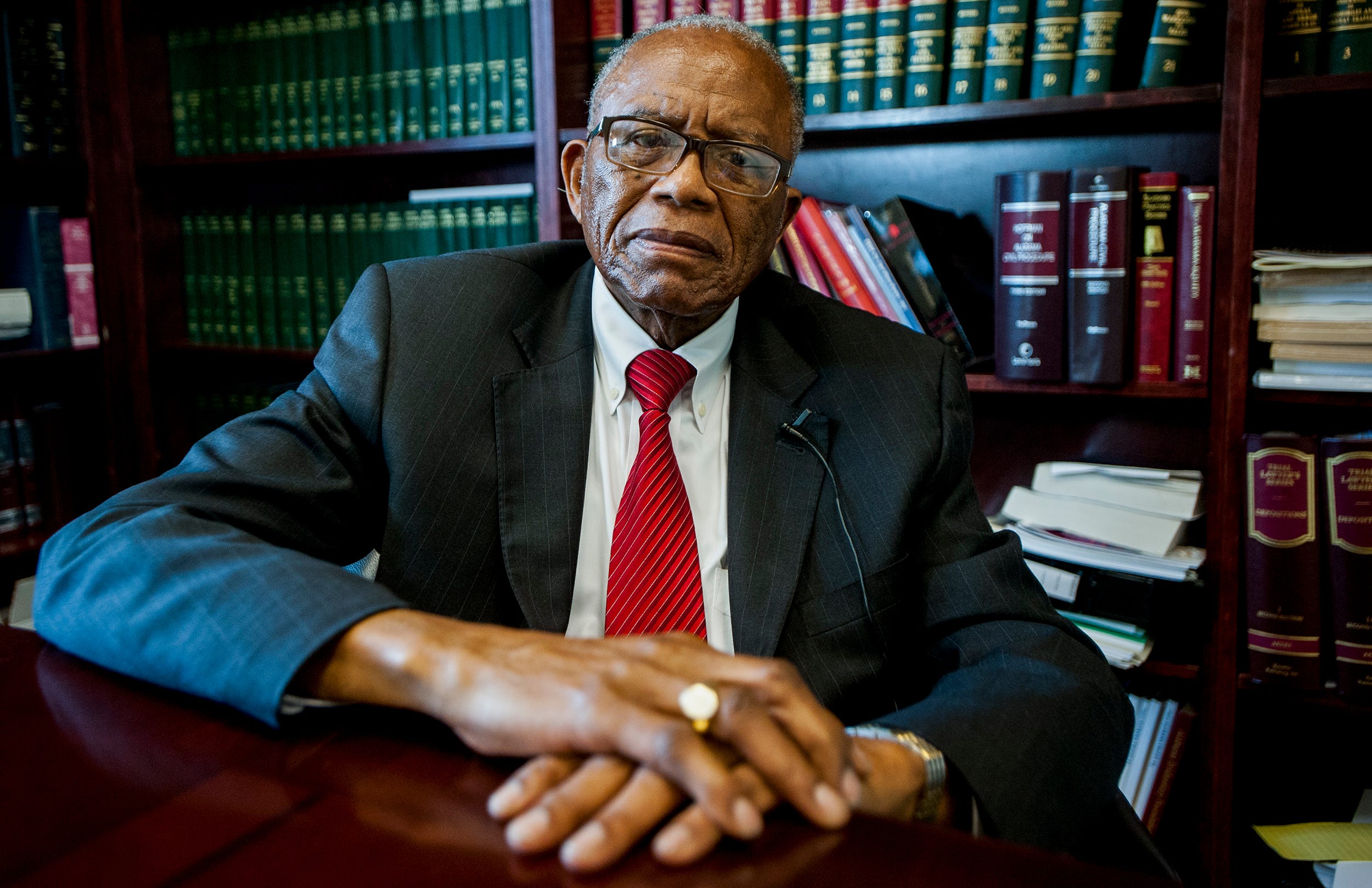
Finding Justice: How to Locate the Right Civil Rights Lawyer Near You
In a society that strives for equality and fairness, civil rights stand as pillars of protection against discrimination and injustice. When these rights are violated, it can be a deeply distressing and disempowering experience. Fortunately, the legal system provides avenues for recourse, and civil rights lawyers are the dedicated advocates who champion the rights of individuals facing discrimination.
If you believe your civil rights have been violated, one of the first and most crucial steps you can take is to seek legal counsel. This article serves as a guide to help you find the right "civil rights lawyer near me," understand the importance of their expertise, and navigate the process of securing the justice you deserve.
Understanding Civil Rights Law
Civil rights law encompasses a broad spectrum of protections designed to ensure equal treatment and opportunity for all individuals, regardless of their race, ethnicity, gender, religion, sexual orientation, disability, age, or other protected characteristics. These rights are enshrined in federal and state laws, including:
- The Civil Rights Act of 1964: A landmark piece of legislation that prohibits discrimination based on race, color, religion, sex, or national origin in employment, public accommodations, and federally funded programs.
- The Americans with Disabilities Act (ADA): Ensures equal opportunities for individuals with disabilities in employment, public services, and accommodations.
- The Age Discrimination in Employment Act (ADEA): Protects individuals 40 years of age or older from age-based discrimination in the workplace.
- The Fair Housing Act: Prohibits discrimination in the sale, rental, or financing of housing based on race, color, religion, sex, familial status, or national origin.
- Section 1983 of the Civil Rights Act: Allows individuals to sue state and local government actors for violating their constitutional rights.
Common Civil Rights Violations
Civil rights violations can manifest in various forms, including:
- Employment Discrimination: Unfair treatment in hiring, promotion, termination, or other employment practices based on protected characteristics.
- Housing Discrimination: Denial of housing or unequal treatment in housing based on protected characteristics.
- Discrimination in Public Accommodations: Denial of services or unequal treatment in businesses or public spaces based on protected characteristics.
- Police Misconduct: Excessive force, false arrest, or other abuses of power by law enforcement officials.
- Voting Rights Violations: Interference with the right to vote based on protected characteristics.
- Educational Discrimination: Unequal treatment in schools or educational programs based on protected characteristics.
Why You Need a Civil Rights Lawyer
Navigating the complexities of civil rights law can be challenging, especially when you’re already dealing with the emotional and practical consequences of discrimination. A civil rights lawyer brings invaluable expertise and support to your case:
- Legal Knowledge: A civil rights lawyer possesses a deep understanding of the relevant laws, regulations, and court precedents. They can assess the merits of your case, identify potential legal strategies, and advise you on the best course of action.
- Investigation and Evidence Gathering: Building a strong civil rights case requires thorough investigation and evidence gathering. A lawyer can help you collect witness statements, documents, and other evidence to support your claims.
- Negotiation and Mediation: Many civil rights cases are resolved through negotiation or mediation. A lawyer can represent your interests in these proceedings and advocate for a fair settlement.
- Litigation: If a settlement cannot be reached, a civil rights lawyer can file a lawsuit on your behalf and represent you in court. They will handle all aspects of the litigation process, from filing pleadings to conducting discovery to presenting your case at trial.
- Protection of Your Rights: A civil rights lawyer will ensure that your rights are protected throughout the legal process. They will advise you on your rights and responsibilities, and they will advocate for your best interests.
- Emotional Support: Facing discrimination can be emotionally draining. A civil rights lawyer can provide you with support and guidance during this difficult time. They will listen to your concerns, answer your questions, and help you stay focused on your goals.
Finding a Civil Rights Lawyer Near You
When searching for a "civil rights lawyer near me," consider the following steps:
- Online Search: Use search engines like Google, Bing, or DuckDuckGo to search for "civil rights lawyer [your city/state]" or "discrimination attorney [your city/state]."
- Legal Directories: Explore online legal directories like Avvo, FindLaw, Martindale-Hubbell, and Super Lawyers. These directories provide profiles of attorneys, including their areas of expertise, experience, and client reviews.
- Bar Associations: Contact your local or state bar association. Many bar associations have referral services that can connect you with qualified attorneys in your area.
- Civil Rights Organizations: Reach out to civil rights organizations like the American Civil Liberties Union (ACLU), the National Association for the Advancement of Colored People (NAACP), or the Southern Poverty Law Center (SPLC). These organizations may be able to provide you with referrals to attorneys who specialize in civil rights law.
- Referrals from Friends or Family: Ask friends, family members, or colleagues if they know of any reputable civil rights lawyers in your area.
- Online Forums and Communities: Look for online forums or communities related to civil rights or discrimination. You may be able to find recommendations for attorneys from other individuals who have experienced similar situations.
What to Look for in a Civil Rights Lawyer
Once you have a list of potential attorneys, consider the following factors when making your selection:
- Experience: Look for an attorney who has a proven track record of success in civil rights cases.
- Expertise: Choose an attorney who specializes in the specific type of civil rights violation you have experienced.
- Reputation: Check the attorney’s online reviews and ratings. See what other clients have to say about their experience with the attorney.
- Communication Skills: Choose an attorney who is a good communicator and who is willing to keep you informed about the progress of your case.
- Compassion: Look for an attorney who is compassionate and understanding of your situation.
- Fees: Discuss the attorney’s fees upfront and make sure you understand how you will be charged.
Preparing for Your Consultation
When you meet with a potential civil rights lawyer, be prepared to discuss the following:
- The facts of your case: Provide a detailed account of what happened, including dates, times, locations, and the names of individuals involved.
- The evidence you have: Bring any documents, photographs, or other evidence that supports your claims.
- Your goals: Explain what you hope to achieve by filing a civil rights claim.
- Your questions: Ask the attorney any questions you have about the legal process, their experience, or their fees.
Cost Considerations
The cost of hiring a civil rights lawyer can vary depending on the complexity of the case, the attorney’s experience, and the location. Some attorneys may charge an hourly rate, while others may work on a contingency fee basis, meaning they only get paid if they win your case. Be sure to discuss fees with any potential attorney before you hire them.
Some civil rights organizations may offer free or low-cost legal services to individuals who cannot afford to hire an attorney.
Conclusion
If you believe your civil rights have been violated, don’t hesitate to seek legal counsel. A civil rights lawyer can help you understand your rights, navigate the legal process, and fight for the justice you deserve. By following the steps outlined in this article, you can find the right "civil rights lawyer near me" and take the first step towards reclaiming your dignity and securing a more just future.